C6 Guitar Chord
C6 is the C sixth chord. It has four notes: C, E, G and A. It is an ordinary C major chord with an A added, and the open shape is a normal C with the G string held down at the 2nd fret.

An open C chord with the pinky added on the G string. Four fingers, and the only shape here a beginner can pick up straight away.
How to play C6, step by step
- Index finger: 1st fret, B string
- Middle finger: 2nd fret, D string
- Ring finger: 3rd fret, A string
- Pinky finger: 2nd fret, G string
- Leave the high E string open. Strum from the A string down, skipping the low E.
Practise moving between C and C6 by dropping and lifting the pinky. That one finger is the whole difference, and it is a move you will use at the end of songs in C.
More ways to play C6
There are 3 common C6 shapes in total: the standard one at the top of the page, plus these, easiest first. You only ever need one. Tap any card to hear it.

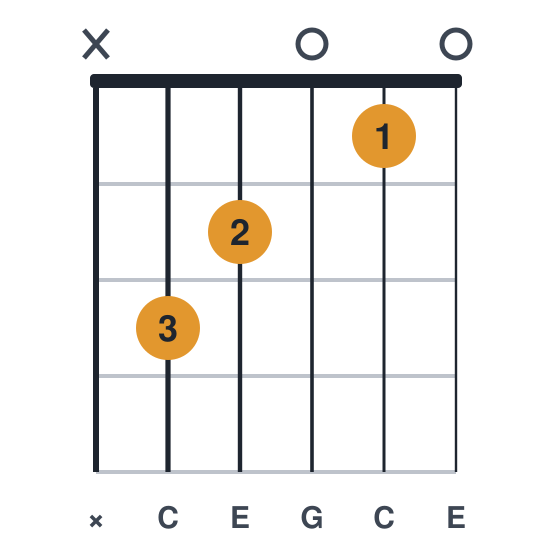
Even and close packed, the four notes almost touching. Less bass weight than an open shape, which makes it easy to sit under a singer.

The biggest C6 on the neck. Low root, wide spread, and the sixth ringing on top of all six strings.
If it sounds muddy or buzzy
- The G string buzzes
- The pinky is the weakest finger and this is its note. Put it right behind the 2nd fret and press with the tip, not the pad.
- It sounds like a C with a wrong note
- Check the B string is at the 1st fret and the high E is open. If the high E is fretted you are playing something else.
- The low E rings out
- Start the strum on the A string. The low E is not in C6, and in the bass it makes the chord sound unresolved.
What makes it a C6
C · E · G · A 1 3 5 6
C6 is a C major triad (C, E, G) with a sixth added: the A, nine half steps above the root. Nothing is taken away, so the chord still sounds like C, only rounder and more old fashioned.
Those same four notes read from A spell Am7. C6 and Am7 are the same set of pitches with a different note in the bass, which is why a guitarist can often play one where a chart asks for the other. Whichever note is lowest decides which chord your ear hears.
C6 vs Cmaj7
Both chords add one note to plain C. C6 adds an A, Cmaj7 adds a B. The A sits a whole step below the root and sounds settled and vintage; the B sits a half step below and sounds soft and unfinished, which is why it feels dreamier.
In practice C6 is an ending chord and Cmaj7 is a hanging chord. Songs in C often finish on C6 instead of plain C because the sixth stops the ending sounding blunt.
C6 in major keys
Every note of C6 sits inside these keys. See how it works alongside the other chords in each one.
C6 chord questions
Is C6 the same as Am7?
They contain the same four notes: C, E, G and A. The difference is the bass note. With C lowest the ear hears C6; with A lowest it hears Am7. On guitar the two shapes are close enough that one often stands in for the other.
What is the difference between C6 and C7?
C6 adds an A, C7 adds a B flat. They are one fret apart in pitch and opposite in job: C7 is restless and pushes toward F, while C6 sits still and works as an ending.
Is C6 hard to play?
No. The open shape is a normal C chord with the pinky added on the G string at the 2nd fret. If you can play C, you can play C6 in about a minute.
When would I use C6?
As a softer C: at the end of a song in C, as the IV chord in G, and all through swing, doo wop and rockabilly, where sixth chords are the normal way to play a major chord.
Do you strum all six strings in C6?
Strum five, from the A string down. The A string carries the root, and leaving the low E out keeps C at the bottom of the chord.
Chords to learn next
- Cthe plain major underneath it
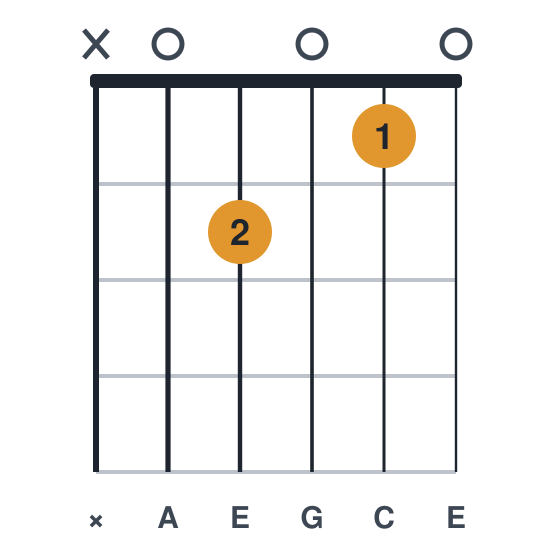
- Am7the same four notes counted from A
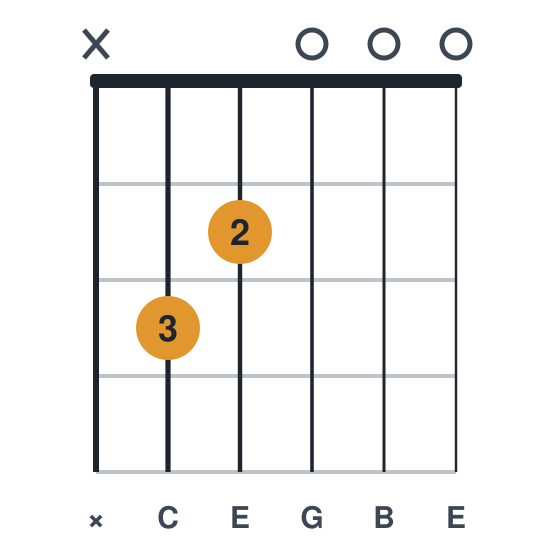
- Cmaj7the other note people add to a major chord
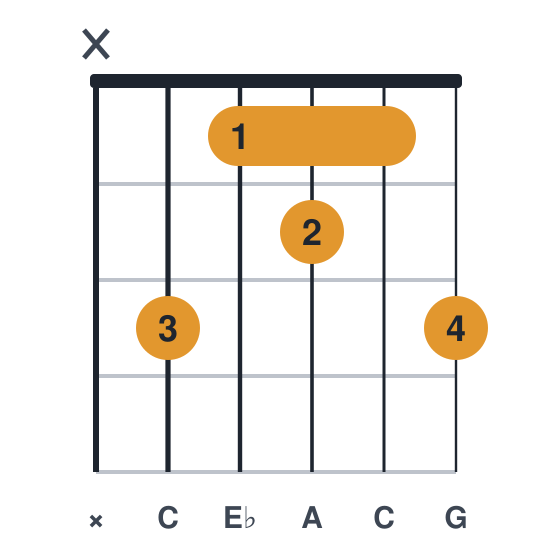
- Cm6the same sixth over a minor chord


Other C chords
C6 guitar chord chart (x32210) from melodician.com