Dm6 Ukulele Chord
Dm6 is the D minor sixth chord. It has four notes: D, F, A and B. The standard ukulele shape is the familiar Dm with the pinky added at the 2nd fret of the A string, so the open A becomes a B, the sixth.

The Dm grip with the pinky added: middle and ring at the 2nd fret of the G and C strings, index at the 1st fret of the E, pinky at the 2nd of the A. The B on top is the sixth.
How to play Dm6 on ukulele, step by step
- Index finger: 1st fret, E string
- Middle finger: 2nd fret, G string
- Ring finger: 2nd fret, C string
- Pinky finger: 2nd fret, A string
- Strum all four strings.
Play Dm 2210, then reach the pinky to the 2nd fret of the A string and strum again. That one finger is the entire difference between D minor and D minor sixth, and hearing it arrive is the point of the exercise.
More ways to play Dm6
There are 3 common Dm6 shapes: the standard one at the top of the page, plus these further up the neck. You only ever need one. Tap any card to hear it.

Thicker and more even than the standard shape, four fretted notes in a tight block. Good for a firm chord stab.

Bright and compact this high up the neck, with the root leading the strum. The same movable grip as every other minor sixth barre on the site.
If the four fingers fight
- The pinky note is weak
- It holds the B at the 2nd fret of the A string, and it is the note the chord is named for. Keep the pinky curled and press with the tip; flattening it will brush the E string next door.
- The E string dies
- The index holds it at the 1st fret with three fingers working at the 2nd fret around it. Arch the hand so each fingertip stands upright and the strings ring one per finger.
- The hand cramps
- Four fingers inside two frets is a tight box. Bring the thumb to the middle of the back of the neck and drop the wrist slightly, and the fingers land from above rather than from the side.
What makes it a Dm6
D · F · A · B 1 ♭3 5 6
Dm6 is a D minor triad (D, F, A) with a B added: the major sixth, nine half steps above the root. The third is flat and the sixth is not, and that mismatch is what makes a minor sixth chord sound restless rather than simply sad.
The same four notes read from B spell Bm7b5, the half diminished chord. Dm6 is the iv chord in A and a standby of jazz and older pop; it is also the classic gypsy jazz tonic, where whole tunes sit on a minor sixth rather than a plain minor.
Dm6 vs Dm7
Both add a fourth note to D minor. Dm7 adds a C and settles the chord; Dm6 adds a B, one fret lower, and unsettles it. A semitone of difference, and the mood flips.
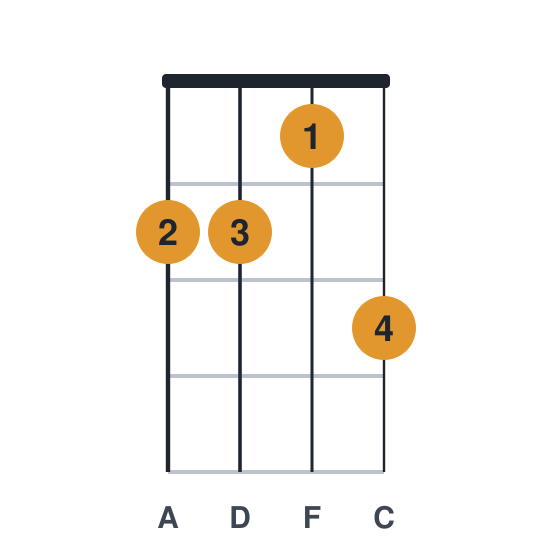
On the ukulele both grow out of the same Dm 2210 by changing the A string: fret it at the 3rd fret for Dm7, at the 2nd for Dm6, leave it open for plain Dm. One string tells the whole story of the family.
Dm6 chord questions
What is the difference between Dm6 and Dm7?
One note on the A string. At the 3rd fret it is C, which makes Dm7; at the 2nd fret it is B, which makes Dm6. The seventh relaxes the chord, the sixth sharpens it.
Why does a minor chord have a major sixth?
Because the sixth is measured from the major scale, not from the minor third. In a minor sixth chord the third is flattened and the sixth is not, and that deliberate mismatch is the whole sound of the chord.
Is Dm6 the same as Bm7b5?
The four notes are the same: D, F, A and B. With the music centred on D you hear Dm6; centred on B it is Bm7b5, the half diminished chord.
Is Dm6 movable?
The standard shape has no open strings, so yes: slide it up two frets and it becomes Em6. The note under the middle finger on the G string names the chord.
Where is Dm6 used?
As the iv chord in A, as the tonic colour of gypsy jazz and tango in D minor, and throughout jazz and older popular song, where minor sixths routinely stand in for minor sevenths.
Chords to learn next
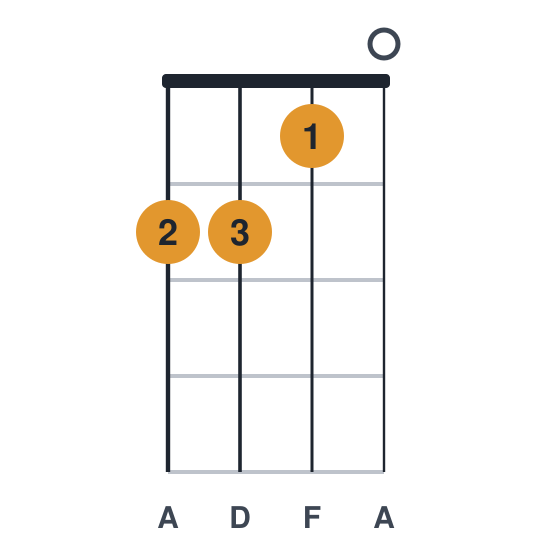
- Dmthe plain minor underneath it
- Dm7a flat seventh instead of the sixth, the softer option
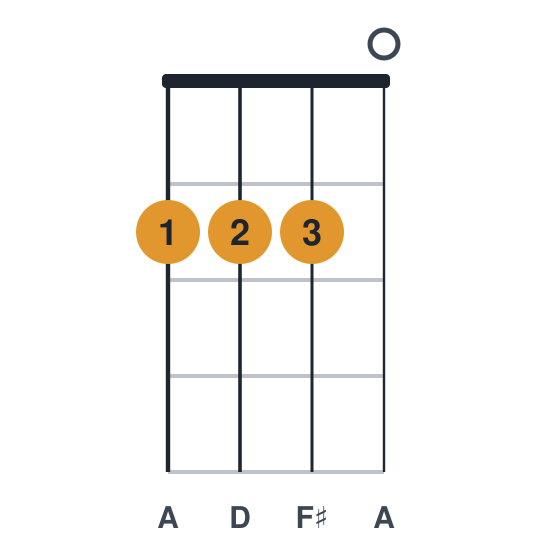
- Dthe major on the same root
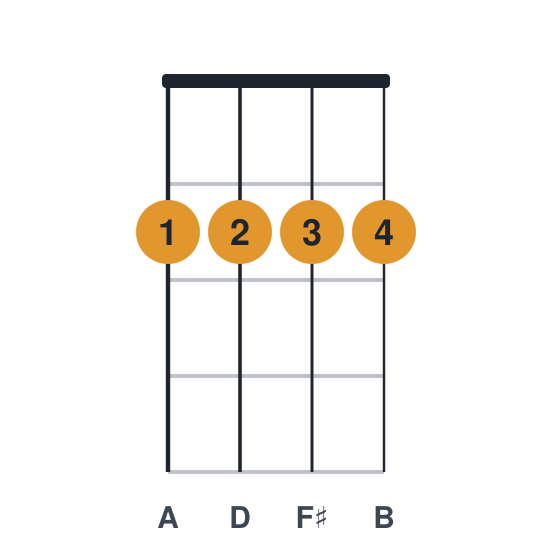
- D6the major sixth on the same root


Other D chords
Dm6 ukulele chord chart (2212) from melodician.com